Blog

  • Best Option Trading App for Beginners with Tutorial: A Detailed Guide

    Best Option Trading App for Beginners with Tutorial: A Detailed Guide

    Looking for the best option trading app for beginners with tutorial? This guide explores the top platforms in India for learning and executing options trades, a

    Looking for the best option trading app for beginners with tutorial? This guide explores the top platforms in India for learning and executing options trades, along with step-by-step guidance.

    Best Option Trading App for Beginners with Tutorial: A Detailed Guide

    Introduction: Navigating the World of Options Trading in India

    The Indian equity market, with stalwarts like the NSE and BSE, offers a plethora of investment opportunities. Among these, options trading stands out as a potentially lucrative, yet complex, strategy. For beginners, the prospect of navigating the world of calls, puts, and expiry dates can be daunting. This is where a user-friendly and feature-rich options trading app becomes invaluable. Selecting the right app can make the difference between a positive learning experience and a frustrating one, leading to significant financial losses.

    Options trading, while offering high leverage and the potential for significant returns, also carries inherent risks. It’s crucial for beginners to understand the underlying principles and develop a solid trading strategy before diving in. Educational resources, demo accounts, and intuitive interfaces are vital components of a good options trading app for novices.

    What to Look for in an Options Trading App for Beginners

    Before downloading the first app you see, consider these key factors:

    • User-Friendly Interface: A clean, intuitive design is paramount. The app should be easy to navigate, with clear displays of option chains, pricing, and order entry screens.
    • Educational Resources: Look for apps that offer tutorials, articles, videos, and other resources to help you learn about options trading strategies, risk management, and market analysis.
    • Demo Account: A demo account allows you to practice trading with virtual money, allowing you to familiarize yourself with the app’s features and test different strategies without risking real capital.
    • Real-Time Data: Accurate and up-to-date market data is essential for informed trading decisions. Ensure the app provides real-time quotes, charts, and analysis.
    • Order Types: A good app should support various order types, such as market orders, limit orders, stop-loss orders, and bracket orders, allowing you to manage your risk effectively.
    • Charting Tools: Technical analysis is a valuable tool for options traders. Look for apps with robust charting tools that allow you to analyze price trends, identify patterns, and apply technical indicators.
    • Customer Support: Responsive and helpful customer support is crucial, especially when you’re just starting out. Check if the app offers support via phone, email, or chat.
    • Security: Ensure the app employs robust security measures to protect your account and personal information. Look for features like two-factor authentication.
    • Brokerage Fees and Charges: Compare the brokerage fees and other charges associated with different apps. Some apps may offer lower brokerage fees but higher hidden charges. Understanding the fee structure is crucial for maximizing your profits.
    • Integration with TradingView: Some advanced traders prefer using TradingView for charting and analysis and subsequently executing trades within their broker’s app. Integration with TradingView can be a significant advantage.

    Top Options Trading Apps for Beginners in India (with Tutorials)

    Here’s a closer look at some of the most popular options trading apps in India, along with their key features and benefits for beginners. Remember to do your own thorough research before selecting any app.

    1. Zerodha Kite

    Zerodha Kite is a widely popular platform known for its simple interface and low brokerage fees. It offers a clean and intuitive experience, making it ideal for beginners.

    Key Features:

    • Simple and user-friendly interface
    • Low brokerage fees (₹20 per order for intraday and F&O)
    • Advanced charting tools powered by TradingView
    • Direct access to option chains
    • Integration with other Zerodha services like Varsity (educational platform)

    Tutorial Snippet:

    To trade options on Zerodha Kite, first, add the desired option contract to your watchlist. Then, click on the contract to view the option chain. Analyze the strike prices and premiums, and then place your order using the order entry screen.

    2. Upstox Pro

    Upstox Pro is another popular choice among Indian traders, offering a user-friendly interface and a range of features suitable for both beginners and experienced traders. It’s known for its fast order execution and reliable platform.

    Key Features:

    • User-friendly interface with customizable dashboards
    • Fast order execution
    • Advanced charting tools
    • Option chain analysis
    • Integration with third-party platforms

    Tutorial Snippet:

    Upstox Pro allows you to easily access option chains directly from the stock’s quote page. You can then analyze the Greeks (Delta, Gamma, Theta, Vega) to assess the risk and reward associated with each option contract.

    3. Angel One (formerly Angel Broking)

    Angel One provides a comprehensive trading platform with a wide range of features, including research reports and advisory services. It’s a good choice for beginners who want access to expert guidance and support.

    Key Features:

    • Research reports and advisory services
    • Advanced charting tools
    • Option chain analysis
    • Margin funding options
    • ARQ Prime – a robo-advisory platform

    Tutorial Snippet:

    Angel One offers “Smart Money” features designed to simplify options trading for beginners. These features provide pre-defined strategies and alerts based on market conditions.

    4. Groww

    Groww is a popular investment platform known for its simple and intuitive interface. While primarily known for mutual funds and stocks, it also offers options trading with a clean and easy-to-understand interface.

    Key Features:

    • Extremely user-friendly interface
    • Direct access to option chains
    • Simple order entry screen
    • Educational resources for beginners
    • Mutual fund and stock investment options

    Tutorial Snippet:

    Groww simplifies the options trading process by providing clear visuals of the option chain and the potential profit/loss scenarios. The app also offers educational content to help you understand the basics of options trading.

    5. 5paisa

    5paisa is a discount broker that offers a flat fee brokerage structure, making it attractive for active traders. It provides a range of features and tools for options trading, including charting tools and option chain analysis.

    Key Features:

    • Flat fee brokerage structure
    • Advanced charting tools
    • Option chain analysis
    • Research reports and advisory services
    • Margin funding options

    Tutorial Snippet:

    5paisa offers tools to create and analyze option strategies, such as straddles, strangles, and butterfly spreads. These tools can help you visualize the potential profit and loss of your strategy before placing the trade.

    A Step-by-Step Tutorial: Placing Your First Options Trade

    Here’s a general tutorial on how to place your first options trade using a hypothetical options trading app (the specific steps may vary slightly depending on the app you choose):

    1. Download and Install the App: Download the app from the App Store (iOS) or Google Play Store (Android) and install it on your smartphone.
    2. Open an Account: Create an account by providing your personal and financial details. You’ll need to complete the KYC (Know Your Customer) process.
    3. Add Funds: Deposit funds into your trading account using UPI, net banking, or other supported methods.
    4. Search for the Underlying Asset: Use the search bar to find the stock or index you want to trade options on (e.g., Nifty 50).
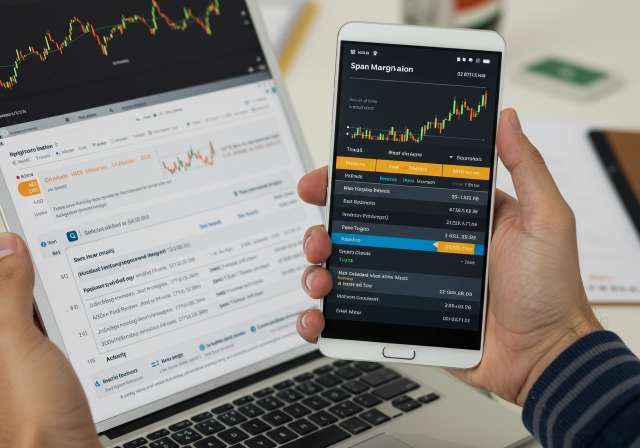
    5. Access the Option Chain: Navigate to the options chain for the selected asset. The option chain displays all available call and put options for various strike prices and expiry dates.
    6. Analyze the Option Chain: Review the strike prices, premiums (the price of the option contract), expiry dates, and Greeks (Delta, Gamma, Theta, Vega).
    7. Select the Option Contract: Choose the option contract you want to buy or sell (e.g., a Nifty 50 call option with a strike price of 18000 and an expiry date of July 27, 2023).
    8. Place Your Order: Click on the option contract to open the order entry screen. Enter the quantity (number of lots), order type (market, limit, etc.), and price (if using a limit order).
    9. Review and Confirm: Carefully review your order details before confirming.
    10. Monitor Your Trade: Once the order is executed, monitor your position in the “Positions” or “Portfolio” section of the app.
    11. Close Your Position: When you’re ready to exit the trade, place an order to buy or sell the same option contract (depending on whether you initially bought or sold the contract).

    Risk Management is Key

    Options trading is inherently risky. Always remember to manage your risk effectively by:

    • Starting Small: Begin with a small amount of capital that you can afford to lose.
    • Using Stop-Loss Orders: Set stop-loss orders to limit your potential losses.
    • Diversifying Your Portfolio: Don’t put all your eggs in one basket. Diversify your investments across different assets and strategies.
    • Understanding the Greeks: Learn about the Greeks (Delta, Gamma, Theta, Vega) and how they affect the price of options.
    • Staying Informed: Keep up-to-date with market news and events that could impact your trading decisions.

    Beyond the App: Continuous Learning and Development

    The best option trading app for beginners with tutorial is just the starting point. To become a successful options trader, continuous learning and development are essential. Consider these resources:

    • SEBI Website: The Securities and Exchange Board of India (SEBI) website offers valuable information about the Indian securities market and investor education.
    • NSE and BSE Websites: The National Stock Exchange (NSE) and Bombay Stock Exchange (BSE) websites provide data, news, and educational resources about options trading.
    • Books and Online Courses: Many excellent books and online courses are available on options trading strategies, risk management, and technical analysis.
    • Financial Blogs and Websites: Stay updated with the latest market trends and trading strategies by following reputable financial blogs and websites.
    • Mentorship: Consider seeking guidance from an experienced options trader.

    Conclusion: Empowering Your Options Trading Journey

    Choosing the right options trading app is a crucial first step for beginners. By considering the factors discussed in this guide and selecting an app that aligns with your learning style and trading goals, you can empower yourself to navigate the world of options trading with confidence. Remember to prioritize education, risk management, and continuous learning to increase your chances of success in the long run. Good luck, and happy trading!


  • Zero Brokerage App for Equity Delivery India: A Comprehensive Guide

    Zero Brokerage App for Equity Delivery India: A Comprehensive Guide

    Tired of brokerage fees eating into your profits? Discover the best zero brokerage app for equity delivery India! Explore commission-free stock investing and ma

    Tired of brokerage fees eating into your profits? Discover the best zero brokerage app for equity delivery india! Explore commission-free stock investing and maximize your returns. Start trading smarter today!

    Zero Brokerage App for Equity Delivery India: A Comprehensive Guide

    Introduction: The Rise of Zero Brokerage in India

    The Indian stock market has witnessed a dramatic shift in recent years, largely fueled by the advent of technology and the increasing financial literacy among millennials and Gen Z. A significant catalyst in this transformation is the emergence of zero brokerage trading platforms. These platforms have democratized investing, making it more accessible and affordable for a wider segment of the population. No longer are high brokerage fees a barrier to entry for aspiring investors. This guide delves into the intricacies of zero brokerage apps for equity delivery in India, exploring their benefits, risks, and key considerations before choosing one.

    Understanding Equity Delivery and Brokerage Charges

    Before diving into the world of zero brokerage, it’s crucial to understand the basics of equity delivery and how traditional brokerage charges work. Equity delivery refers to buying stocks with the intention of holding them for more than one trading day. In this model, you take actual ownership of the shares. Traditional brokers typically charge a percentage-based commission on each transaction, whether it’s buying or selling. This commission, known as brokerage, can significantly eat into your profits, especially for frequent traders or those with smaller investment amounts.

    For example, if you buy ₹10,000 worth of shares and your broker charges a 0.5% brokerage, you’ll pay ₹50 in brokerage fees. Over time, these fees can accumulate, impacting your overall returns. Zero brokerage platforms eliminate this commission for equity delivery trades, offering a cost-effective alternative.

    The Allure of Zero Brokerage: Why It’s Gaining Popularity

    Several factors contribute to the growing popularity of zero brokerage apps in India:

    • Cost Savings: This is the most obvious advantage. Eliminating brokerage fees directly translates to higher returns, especially for long-term investors.
    • Increased Accessibility: Zero brokerage makes investing more affordable, encouraging participation from smaller investors and those new to the stock market.
    • Simplified Investing: Many zero brokerage apps offer user-friendly interfaces and educational resources, making the investing process simpler and more intuitive.
    • Competitive Market: The competition among zero brokerage platforms has driven innovation and improvements in features and services.

    Key Features to Look for in a Zero Brokerage App

    Choosing the right zero brokerage app is crucial for a positive investment experience. Here are some key features to consider:

    • Trading Platform Interface: The app should be user-friendly and intuitive, with easy navigation and clear presentation of data.
    • Order Types: Look for a platform that offers various order types, such as market orders, limit orders, stop-loss orders, and bracket orders, to manage your risk effectively.
    • Research and Analysis Tools: Access to research reports, stock screeners, and charting tools can help you make informed investment decisions.
    • Customer Support: Reliable and responsive customer support is essential in case you encounter any issues or have questions.
    • Security: Ensure that the platform has robust security measures in place to protect your account and personal information.
    • Account Opening Process: A seamless and hassle-free account opening process is a sign of a well-designed platform.
    • Mutual Fund Investments: Some zero brokerage apps also offer the option to invest in mutual funds, providing a diversified investment portfolio.
    • IPO Application: The ability to apply for Initial Public Offerings (IPOs) through the app can be a valuable feature.

    Popular Zero Brokerage Apps in India

    Several zero brokerage apps have gained significant traction in the Indian market. Some of the popular options include:

    • Zerodha: Zerodha is one of the pioneers of the zero brokerage model in India. It offers a robust trading platform with advanced features and a wide range of investment options.
    • Upstox: Upstox is another popular choice, known for its user-friendly interface and competitive pricing.
    • Groww: Groww is a relatively new player but has quickly gained popularity due to its simple and intuitive design, particularly appealing to beginner investors.
    • Angel One: Angel One, a well-established brokerage firm, also offers a zero brokerage plan for certain segments.

    It’s essential to compare the features, pricing, and services offered by different platforms before making a decision. Remember to read reviews and understand the terms and conditions before opening an account.

    Hidden Costs and Considerations

    While these platforms are marketed as ‘zero brokerage,’ it’s important to be aware of other potential charges. While there are no brokerage fees for equity delivery trades, other charges may apply:

    • Statutory Charges: These include Securities Transaction Tax (STT), Goods and Services Tax (GST), stamp duty, and SEBI fees. These charges are applicable across all trading platforms, regardless of the brokerage model.
    • Account Maintenance Charges (AMC): Some platforms may charge a fee for maintaining your Demat account.
    • Call & Trade Charges: If you place orders through a phone call, you may be charged extra.
    • Fund Transfer Charges: Some platforms may charge a fee for transferring funds to and from your trading account.
    • Intraday and Futures & Options (F&O) Charges: Zero brokerage typically applies only to equity delivery. Intraday trading and trading in derivatives (F&O) usually incur brokerage charges.

    Always carefully review the fee structure to understand all the potential costs involved. Consider a comprehensive approach by comparing the benefits of using a zero brokerage app for equity delivery India to the costs of using traditional brokerage apps and balancing your investments across both as needed.

    Understanding the Risks Involved

    While zero brokerage platforms offer numerous benefits, it’s crucial to be aware of the potential risks involved:

    • Platform Reliability: Technical glitches and downtime can disrupt trading and lead to losses. Choose a platform with a proven track record of reliability.
    • Data Security: Cyberattacks and data breaches can compromise your account and personal information. Ensure that the platform has robust security measures in place.
    • Regulatory Compliance: Verify that the platform is registered with SEBI and adheres to all regulatory guidelines.
    • Liquidity: While major stocks have high liquidity, some less popular stocks may be difficult to buy or sell quickly, especially during volatile market conditions.

    Always exercise caution and conduct thorough research before investing in any stock. Don’t invest more than you can afford to lose.

    Zero Brokerage vs. Discount Brokers vs. Full-Service Brokers

    The brokerage landscape in India can be broadly categorized into three types:

    • Zero Brokerage Brokers: These brokers offer commission-free equity delivery trades. Their revenue model typically relies on other services, such as intraday trading, F&O trading, and margin funding.
    • Discount Brokers: Discount brokers offer lower brokerage rates compared to full-service brokers. They typically provide a basic trading platform and limited research and advisory services.
    • Full-Service Brokers: Full-service brokers offer a comprehensive range of services, including research reports, advisory services, and relationship managers. They typically charge higher brokerage rates.

    The best choice for you depends on your individual needs and investment style. If you’re a self-directed investor who doesn’t require extensive research or advisory services, a zero brokerage or discount broker may be a good fit. If you value personalized advice and a full suite of services, a full-service broker may be a better option.

    Investing in Mutual Funds Through Zero Brokerage Apps

    Many zero brokerage apps also offer the option to invest in mutual funds. This can be a convenient way to diversify your portfolio and achieve your financial goals. You can invest in mutual funds through Systematic Investment Plans (SIPs) or lump-sum investments.

    Investing in mutual funds through a zero brokerage app offers several advantages:

    • Convenience: You can manage your stock and mutual fund investments from a single platform.
    • Cost-Effectiveness: Zero brokerage apps typically don’t charge any commission for investing in direct mutual funds, which have lower expense ratios compared to regular mutual funds.
    • Transparency: Direct mutual funds offer greater transparency, as you can see exactly how your money is being invested.

    Tax Implications of Equity Delivery

    Understanding the tax implications of equity delivery is essential for effective financial planning. The profits you make from selling stocks are subject to capital gains tax. There are two types of capital gains:

    • Short-Term Capital Gains (STCG): If you sell stocks within one year of buying them, the profits are considered short-term capital gains and are taxed at a rate of 15% (plus applicable surcharge and cess).
    • Long-Term Capital Gains (LTCG): If you sell stocks after holding them for more than one year, the profits are considered long-term capital gains. LTCG exceeding ₹1 lakh in a financial year is taxed at a rate of 10% (plus applicable surcharge and cess).

    It’s important to keep accurate records of your stock transactions to calculate your capital gains accurately. Consider consulting a tax advisor for personalized guidance.

    Beyond Equities: Exploring Other Investment Options

    While equity delivery can be a rewarding investment strategy, it’s important to diversify your portfolio across different asset classes. Consider exploring other investment options such as:

    • Debt Instruments: Fixed deposits, bonds, and Public Provident Fund (PPF) offer relatively stable returns and can provide a cushion against market volatility.
    • Real Estate: Investing in real estate can provide long-term capital appreciation and rental income.
    • Gold: Gold is often considered a safe haven asset and can be a good hedge against inflation and economic uncertainty.
    • National Pension System (NPS): NPS is a government-sponsored pension scheme that allows you to save for your retirement.
    • Equity Linked Savings Scheme (ELSS): ELSS mutual funds offer tax benefits under Section 80C of the Income Tax Act.

    Conclusion: Empowering Investors with Zero Brokerage

    Zero brokerage apps have revolutionized the Indian stock market, making investing more accessible and affordable for a wider audience. By eliminating brokerage fees, these platforms have empowered investors to maximize their returns and achieve their financial goals. However, it’s crucial to choose the right platform based on your individual needs and investment style. Remember to carefully consider the features, fees, risks, and regulatory compliance of each platform before making a decision. With careful planning and informed decision-making, you can leverage the power of zero brokerage to build a successful investment portfolio.

  • Best Stock Trading Apps for Beginners in India (2024 Guide)

    Best Stock Trading Apps for Beginners in India (2024 Guide)

    New to the stock market? Find the best easy stock trading app for beginners in India! Learn about user-friendly platforms, key features, and tips for successful

    New to the stock market? Find the best easy stock trading app for beginners in India! Learn about user-friendly platforms, key features, and tips for successful investing. Start your journey today!

    Best Stock Trading Apps for Beginners in India (2024 Guide)

    Introduction: Taking Your First Steps into the Indian Stock Market

    The Indian stock market, encompassing the National Stock Exchange (NSE) and the Bombay Stock Exchange (BSE), offers tremendous opportunities for wealth creation. However, for beginners, the prospect of navigating this landscape can seem daunting. Understanding market terminology, analyzing company financials, and executing trades efficiently can be overwhelming. Thankfully, technology has simplified the process considerably. Today, numerous stock trading apps are available, designed with user-friendliness in mind, making it easier than ever for beginners to enter the world of investing. This guide explores the best options available in India, focusing on features, ease of use, and crucial factors to consider before choosing an app.

    Why Use a Stock Trading App?

    Stock trading apps offer several advantages over traditional brokerage accounts, especially for beginners:

    • Accessibility: Trade stocks anytime, anywhere, directly from your smartphone.
    • Low Costs: Many apps offer discounted brokerage fees or even zero brokerage for certain trades.
    • User-Friendly Interface: Designed with intuitive interfaces that simplify navigation and trading.
    • Real-Time Data: Access live market data, stock quotes, and charts to make informed decisions.
    • Educational Resources: Many apps provide educational materials, tutorials, and market analysis to help beginners learn.
    • Account Management: Easily manage your portfolio, track your investments, and monitor your profits and losses.

    Key Features to Look for in an easy stock trading app for beginners india

    When choosing a stock trading app, consider these essential features:

    1. User-Friendly Interface

    The app should be easy to navigate, with a clean and intuitive design. Key information, such as stock prices, charts, and order placement options, should be readily accessible. Avoid apps with cluttered interfaces or complex jargon that can confuse beginners.

    2. Account Opening Process

    The account opening process should be straightforward and hassle-free. Ideally, it should be entirely online, requiring minimal paperwork and verification. Look for apps that offer quick KYC (Know Your Customer) verification.

    3. Brokerage Fees and Charges

    Compare the brokerage fees and other charges associated with each app. Some apps offer zero brokerage for delivery trades, while others charge a fixed fee per trade. Be aware of other potential charges, such as account maintenance fees, DP (Depository Participant) charges, and transaction fees.

    4. Trading and Investment Options

    The app should offer a wide range of trading and investment options, including:

    • Equity: Buying and selling shares of publicly listed companies on the NSE and BSE.
    • Derivatives: Trading futures and options (F&O) contracts.
    • Mutual Funds: Investing in professionally managed mutual fund schemes, including Equity Linked Savings Schemes (ELSS) for tax benefits.
    • Initial Public Offerings (IPOs): Applying for shares in companies launching their IPOs.

    5. Research and Analysis Tools

    The app should provide research and analysis tools to help you make informed investment decisions. These tools may include:

    • Stock Charts: Historical price charts with technical indicators.
    • Fundamental Analysis Data: Key financial ratios, such as P/E ratio, EPS, and debt-to-equity ratio.
    • Market News and Analysis: Real-time market news, expert opinions, and research reports.
    • Company Information: Detailed information about companies, including their business operations, financial performance, and management team.

    6. Security Features

    Security is paramount when dealing with financial transactions. Ensure the app has robust security features, such as:

    • Two-Factor Authentication (2FA): An extra layer of security requiring a code from your phone in addition to your password.
    • Biometric Authentication: Login using fingerprint or facial recognition.
    • Data Encryption: Protecting your personal and financial information with encryption technology.

    7. Customer Support

    Reliable customer support is crucial, especially for beginners who may have questions or encounter technical issues. Look for apps that offer multiple channels of support, such as phone, email, and chat.

    8. Educational Resources

    Many apps offer educational resources to help beginners learn about investing. These resources may include:

    • Tutorials: Step-by-step guides on using the app and trading stocks.
    • Articles and Blogs: Informative articles on various investment topics.
    • Webinars and Workshops: Online seminars and workshops led by investment experts.

    Top Stock Trading Apps for Beginners in India

    Here are some of the best stock trading apps for beginners currently available in India. It’s essential to do your own research and compare features before making a decision.

    1. Zerodha Kite

    Zerodha is one of India’s largest discount brokers, known for its low brokerage fees and user-friendly platform. Their Kite app is popular among beginners for its simplicity and intuitive design. It offers a wide range of features, including real-time data, advanced charting tools, and a comprehensive research platform.

    2. Upstox

    Upstox is another popular discount broker that offers a user-friendly app for both beginners and experienced traders. It provides access to stocks, derivatives, mutual funds, and IPOs. Upstox also offers a range of educational resources to help beginners learn about investing.

    3. Groww

    Groww is a platform particularly well-regarded for its user-friendly interface and focus on mutual fund investments. While it also offers stock trading, its simplified platform makes it an excellent choice for beginners looking to primarily invest in mutual funds, including SIPs (Systematic Investment Plans) and ELSS funds.

    4. Angel One

    Angel One (formerly Angel Broking) is a full-service broker that also offers a user-friendly app for trading. It provides access to a wide range of investment options, including stocks, derivatives, mutual funds, and commodities. Angel One also offers personalized advisory services and research reports.

    5. 5paisa

    5paisa is a discount broker that offers a flat-fee brokerage model, making it an attractive option for frequent traders. Their app is user-friendly and provides access to stocks, derivatives, mutual funds, and IPOs. 5paisa also offers a range of value-added services, such as insurance and loans.

    Beyond Stock Trading: Exploring Other Investment Options

    While equity markets can offer substantial returns, it’s essential to diversify your investment portfolio. Consider these other popular investment options available in India:

    1. Mutual Funds

    Mutual funds are a popular investment option for beginners, as they offer diversification and professional management. You can invest in a variety of mutual fund schemes, including equity funds, debt funds, and hybrid funds. Consider investing through SIPs for rupee cost averaging and disciplined investing.

    2. Public Provident Fund (PPF)

    PPF is a government-backed savings scheme that offers tax benefits and guaranteed returns. It’s a safe and popular investment option for long-term savings.

    3. National Pension System (NPS)

    NPS is a retirement savings scheme that allows you to invest in a mix of equity and debt instruments. It offers tax benefits and is a good option for building a retirement corpus.

    4. Fixed Deposits (FDs)

    FDs are a low-risk investment option that offers guaranteed returns. They are suitable for investors who prioritize safety and stability.

    5. Sovereign Gold Bonds (SGBs)

    SGBs are government-issued bonds that are linked to the price of gold. They offer a safe and convenient way to invest in gold without having to physically hold the metal.

    Tips for Successful Stock Trading as a Beginner

    Here are some essential tips to help you succeed in the stock market as a beginner:

    • Start Small: Begin with a small amount of capital that you can afford to lose.
    • Do Your Research: Thoroughly research companies before investing in their stocks.
    • Diversify Your Portfolio: Spread your investments across different stocks and asset classes.
    • Invest for the Long Term: Avoid trying to time the market and focus on long-term growth.
    • Set Realistic Expectations: Understand that the stock market can be volatile and there will be ups and downs.
    • Control Your Emotions: Avoid making impulsive decisions based on fear or greed.
    • Stay Informed: Keep up with market news and trends.
    • Learn from Your Mistakes: Analyze your past trades and learn from your successes and failures.

    Conclusion: Embarking on Your Investment Journey

    The Indian stock market offers significant potential for wealth creation, and with the advent of user-friendly trading apps, it is more accessible than ever for beginners. Remember to choose an app that aligns with your needs and investment goals, focusing on ease of use, low costs, and robust security features. While selecting an easy stock trading app for beginners india is crucial, it’s also important to start with a solid understanding of investment principles, manage your risk, and diversify your portfolio. As you gain experience, you can explore more advanced trading strategies and investment options. With patience, discipline, and a commitment to continuous learning, you can achieve your financial goals through stock market investing.

  • Basket Order Trading: Streamline Your Investments in the Indian Stock Market

    Basket Order Trading: Streamline Your Investments in the Indian Stock Market

    Streamline your investments with Basket Order Trading! Learn how to execute multiple trades simultaneously on the NSE & BSE. Maximize efficiency & manage risk e

    Streamline your investments with basket order trading! Learn how to execute multiple trades simultaneously on the NSE & BSE. Maximize efficiency & manage risk effectively. Explore strategies, benefits, and platforms for basket order trading in the Indian stock market. Ideal for traders using SIPs, and diversifying portfolios!

    Basket Order Trading: Streamline Your Investments in the Indian Stock Market

    Introduction: Optimizing Your Trading Strategy

    In the dynamic world of the Indian stock market, efficiency and precision are paramount. Whether you’re a seasoned investor or just starting your journey with equity markets, finding ways to optimize your trading strategy is crucial. One such strategy gaining popularity among Indian investors is basket order trading. This method allows you to execute multiple orders simultaneously, streamlining the trading process and potentially enhancing portfolio management.

    This comprehensive guide will delve into the intricacies of basket order trading, exploring its benefits, implementation, and suitability for various investment goals within the Indian context, referencing instruments like mutual funds, SIPs, ELSS, PPF and NPS where applicable.

    What is Basket Order Trading?

    Basket order trading involves placing a group of orders for different securities – stocks, futures, options, or even commodities – all at once. Instead of entering each order individually, you create a “basket” containing all your desired trades and execute them as a single transaction. This approach is particularly useful when implementing complex trading strategies that require simultaneous execution of multiple orders.

    Benefits of Basket Order Trading

    Enhanced Efficiency

    Perhaps the most significant advantage of basket order trading is the time it saves. Instead of placing individual orders, which can be time-consuming, especially when dealing with a large number of securities, you can execute them all at once with a single click. This is particularly beneficial in volatile market conditions where timing is critical.

    Improved Accuracy

    When placing multiple orders individually, the risk of errors increases. Basket order trading minimizes this risk by allowing you to review and confirm all orders collectively before execution. This reduces the chances of mistakenly entering incorrect quantities, prices, or order types.

    Reduced Transaction Costs

    Depending on your broker’s fee structure, basket order trading can potentially reduce transaction costs. Some brokers offer discounted brokerage fees for basket orders compared to individual orders, especially for high-volume traders. This can translate into significant savings over time.

    Simplified Portfolio Management

    For investors managing diversified portfolios across different asset classes, basket order trading simplifies the process of rebalancing and adjusting portfolio allocations. You can create a basket containing all the necessary buy and sell orders to bring your portfolio back into alignment with your target asset allocation. This could be very helpful when rebalancing your investments from Equity Linked Savings Schemes (ELSS) to debt instruments or even Public Provident Fund (PPF) depending on your risk tolerance and financial goals.

    Strategic Advantage

    Certain trading strategies, such as pairs trading or arbitrage, require the simultaneous execution of multiple orders to capitalize on temporary price discrepancies. Basket order trading allows you to implement these strategies more effectively, as it ensures that all the necessary orders are executed at virtually the same time. This can provide a significant strategic advantage, especially for experienced traders.

    Implementing Basket Order Trading in India: A Step-by-Step Guide

    1. Choose a Brokerage Platform

    Not all brokerage platforms in India offer basket order trading functionality. It is crucial to select a broker that provides this feature. Popular platforms like Zerodha, Upstox, and Angel One, among others, offer basket order functionalities.

    • Research and Compare: Compare different brokerage platforms based on their features, brokerage fees, user interface, and customer support.
    • Check for Basket Order Functionality: Ensure that the platform explicitly supports basket order trading.
    • Consider Platform Usability: Choose a platform with a user-friendly interface that makes it easy to create and manage basket orders.

    2. Create Your Basket

    Once you have chosen a brokerage platform, the next step is to create your basket. This involves adding the desired securities, specifying the quantity, order type (market, limit, etc.), and price (if applicable) for each order.

    • Add Securities: Add the stocks, futures, options, or other instruments you want to include in your basket.
    • Specify Order Details: For each security, specify the quantity, order type, and price. Consider using limit orders to control the execution price.
    • Review and Verify: Carefully review all the orders in your basket to ensure accuracy.

    3. Analyze Margin Requirements

    Before executing your basket order, it’s essential to understand the margin requirements. The brokerage platform will calculate the total margin required for all the orders in the basket. Ensure that you have sufficient funds in your trading account to cover the margin. Note that margin requirements may vary depending on the securities included in the basket and the overall market volatility. SEBI regulations also play a key role in determining margin requirements and ensuring investor protection.

    • Check Margin Requirements: The platform will display the margin required for the basket order.
    • Ensure Sufficient Funds: Verify that you have enough funds in your trading account.
    • Consider Margin Funding: If necessary, consider using margin funding (if available and suitable) to cover the margin requirements, but be aware of the associated risks and interest charges.

    4. Execute the Basket Order

    Once you have reviewed the orders and confirmed that you have sufficient margin, you can execute the basket order. The platform will send all the orders to the exchange simultaneously. The orders will be executed based on the prevailing market conditions and the order types specified.

    • Confirm Execution: Review the order confirmation to ensure that all orders have been executed as intended.
    • Monitor Performance: Monitor the performance of the securities in your basket and adjust your strategy as needed.

    Basket Order Trading Strategies for the Indian Market

    Index Arbitrage

    Index arbitrage involves exploiting price discrepancies between an index (e.g., Nifty 50) and its constituent stocks. You can create a basket order to simultaneously buy the undervalued stocks and sell the corresponding index futures contract. This strategy aims to profit from the convergence of prices.

    Sector Rotation

    Sector rotation involves shifting investments from one sector to another based on economic cycles and market trends. You can use basket order trading to quickly reallocate your portfolio across different sectors by simultaneously buying the stocks in the target sector and selling the stocks in the sector you are exiting. This could involve rebalancing from IT stocks to FMCG stocks depending on the economic outlook.

    Pairs Trading

    Pairs trading involves identifying two correlated stocks that have temporarily diverged in price. You can create a basket order to simultaneously buy the undervalued stock and sell the overvalued stock. This strategy aims to profit from the eventual convergence of the prices.

    SIP (Systematic Investment Plan) in a Basket

    While not directly related to traditional basket order trading in the intraday or short-term sense, a concept of a “basket SIP” is emerging. This involves creating a pre-defined basket of mutual funds (potentially across different asset classes and fund houses) and setting up a SIP that allocates funds according to your pre-defined weights. This allows you to systematically invest in a diversified portfolio according to your risk profile and financial goals.

    Risks Associated with Basket Order Trading

    Market Risk

    Like any trading strategy, basket order trading is subject to market risk. The prices of the securities in your basket can fluctuate, potentially leading to losses. It’s important to carefully analyze the market conditions and understand the risks involved before executing a basket order.

    Execution Risk

    While basket order trading aims to execute multiple orders simultaneously, there is always a risk that some orders may not be filled, or may be filled at different prices than expected. This can occur due to market volatility, liquidity constraints, or technical issues.

    Margin Risk

    If you are using margin funding to cover the margin requirements for your basket order, you are exposed to margin risk. If the value of your securities declines, your broker may issue a margin call, requiring you to deposit additional funds to cover the shortfall. Failure to meet a margin call can result in the forced liquidation of your securities, potentially leading to significant losses.

    Platform Risk

    The reliability of your brokerage platform is crucial for successful basket order trading. Technical glitches, system outages, or slow execution speeds can disrupt your trading strategy and lead to losses. Choose a platform that is known for its stability and performance.

    Conclusion: Basket Order Trading for Efficient Investing

    Basket order trading offers a powerful tool for optimizing your trading strategy in the Indian stock market. By enabling the simultaneous execution of multiple orders, it enhances efficiency, improves accuracy, and simplifies portfolio management. While it’s crucial to understand the risks associated with this approach, basket order trading can be a valuable asset for both seasoned traders and investors looking to streamline their investment process. Remember to carefully research brokerage platforms, analyze margin requirements, and implement appropriate risk management strategies before engaging in basket order trading. And remember, always consult with a qualified financial advisor before making any investment decisions, particularly those involving complex trading strategies or leveraged products.

  • Unlock Your Financial Future: Mastering SIP Investments

    Unlock Your Financial Future: Mastering SIP Investments

    Plan your financial future with ease! Our SIP calculator helps you estimate returns on your investments in mutual funds via Systematic Investment Plans (SIPs).

    Plan your financial future with ease! Our SIP calculator helps you estimate returns on your investments in mutual funds via Systematic Investment Plans (SIPs). Calculate potential growth, plan your savings, and achieve your financial goals. Start planning today!

    Unlock Your Financial Future: Mastering SIP Investments

    Understanding the Power of Systematic Investment Plans (SIPs)

    In the dynamic world of personal finance, making informed decisions is crucial for long-term financial well-being. One investment strategy that has gained immense popularity among Indian investors is the Systematic Investment Plan, or SIP. SIPs offer a disciplined and accessible way to participate in the equity markets and achieve your financial goals. But how can you effectively plan your SIP investments and understand their potential returns? Let’s delve deeper into the world of SIPs and discover how they can work for you.

    A SIP is essentially a method of investing a fixed sum of money at regular intervals (typically monthly or quarterly) in a chosen mutual fund scheme. Instead of investing a lump sum amount, you invest smaller, more manageable amounts over time. This approach offers several advantages:

    • Rupee Cost Averaging: By investing regularly, you buy more units when the market is down and fewer units when the market is up. This averages out the cost of your investment over time, mitigating the impact of market volatility.
    • Disciplined Investing: SIPs encourage a disciplined savings habit. The fixed amount is automatically debited from your account, ensuring you stay consistent with your investment plan.
    • Accessibility: SIPs are accessible to investors with varying budget sizes. You can start with as little as ₹500 per month, making it an ideal option for beginners and those with limited capital.
    • Power of Compounding: The returns generated by your SIP investments are reinvested, leading to exponential growth over time. This compounding effect can significantly enhance your wealth accumulation in the long run.

    Setting Financial Goals and SIPs: A Synergistic Approach

    Before embarking on your SIP journey, it’s crucial to define your financial goals. What are you saving for? Is it for your retirement, your children’s education, a down payment on a house, or simply to build a corpus for a rainy day? Clearly defined goals will help you determine the investment horizon and the desired returns, enabling you to choose the right mutual fund schemes and SIP amounts.

    Here’s a framework for aligning your financial goals with SIP investments:

    • Identify Your Goals: List down your short-term (1-3 years), medium-term (3-5 years), and long-term (5+ years) financial goals.
    • Assess Your Risk Tolerance: Determine your comfort level with market fluctuations. Are you a conservative investor who prefers lower risk and moderate returns, or are you willing to take on higher risk for potentially higher returns?
    • Choose the Right Mutual Fund Schemes: Select mutual fund schemes that align with your financial goals and risk tolerance. Consider factors such as fund performance, expense ratio, fund manager experience, and investment style. Options include equity funds (higher risk, higher potential returns), debt funds (lower risk, lower returns), and hybrid funds (a mix of equity and debt). ELSS (Equity Linked Savings Schemes) funds offer tax benefits under Section 80C of the Income Tax Act.
    • Determine the SIP Amount: Calculate the monthly SIP amount required to achieve your financial goals, considering the expected returns and investment horizon.
    • Regularly Monitor and Review: Track the performance of your SIP investments and make adjustments as needed. Rebalance your portfolio periodically to ensure it remains aligned with your financial goals and risk tolerance.

    Leveraging SIPs for Long-Term Wealth Creation

    SIPs are particularly effective for long-term wealth creation due to the power of compounding and rupee cost averaging. By investing regularly over a long period, you can benefit from the exponential growth potential of the equity markets while mitigating the impact of short-term market volatility. Here are some examples of how SIPs can help you achieve your long-term financial goals:

    • Retirement Planning: Start a SIP in a diversified equity fund or a National Pension System (NPS) scheme early in your career and continue investing until retirement. The power of compounding will help you build a substantial retirement corpus over time.
    • Children’s Education: Invest in a SIP in a balanced or growth-oriented mutual fund to accumulate funds for your children’s higher education. Consider the rising cost of education and adjust your SIP amount accordingly.
    • Buying a House: Start a SIP in a debt fund or a hybrid fund to save for the down payment on a house. The steady returns and lower risk of these funds can help you achieve your goal within a reasonable timeframe.

    Factors Influencing SIP Returns

    While SIPs offer a disciplined and convenient way to invest in the equity markets, it’s important to understand the factors that can influence their returns. Here are some key factors to consider:

    • Market Performance: The overall performance of the equity markets significantly impacts SIP returns. When the market is bullish, your SIP investments are likely to generate higher returns. Conversely, when the market is bearish, your returns may be lower.
    • Fund Performance: The performance of the mutual fund scheme you choose is crucial. Select funds with a track record of consistent performance, experienced fund managers, and a well-defined investment strategy.
    • Investment Horizon: The longer your investment horizon, the greater the potential for wealth creation through SIPs. Longer investment horizons allow you to benefit from the power of compounding and rupee cost averaging.
    • Expense Ratio: The expense ratio is the annual fee charged by the mutual fund to manage your investments. Lower expense ratios can lead to higher returns in the long run.
    • Inflation: Consider the impact of inflation on your investment returns. Ensure that your SIP investments generate returns that outpace inflation to maintain your purchasing power.

    Beyond the Calculation: Informed SIP Decisions

    While a SIP calculator can provide valuable insights into potential returns, it’s crucial to remember that it’s just a tool. The actual returns on your SIP investments will depend on various factors, including market conditions, fund performance, and your investment horizon. Therefore, it’s essential to conduct thorough research and seek professional advice before making any investment decisions.

    Here are some additional tips for making informed SIP decisions:

    • Understand Your Risk Profile: Accurately assess your risk tolerance before investing in equity markets. SIPs are subject to market risk, and the value of your investments can fluctuate.
    • Diversify Your Portfolio: Don’t put all your eggs in one basket. Diversify your SIP investments across different mutual fund schemes and asset classes to reduce risk. Consider investing in a mix of equity funds, debt funds, and gold.
    • Review Your Portfolio Regularly: Monitor the performance of your SIP investments regularly and make adjustments as needed. Rebalance your portfolio periodically to ensure it remains aligned with your financial goals and risk tolerance.
    • Stay Invested for the Long Term: The key to success with SIPs is to stay invested for the long term. Avoid making impulsive decisions based on short-term market fluctuations.
    • Consult a Financial Advisor: If you are unsure about how to invest in SIPs, seek the guidance of a qualified financial advisor. A financial advisor can help you assess your financial goals, determine your risk tolerance, and choose the right mutual fund schemes for your needs.

    Regulatory Framework and Investor Protection in India

    The Indian financial market is regulated by the Securities and Exchange Board of India (SEBI), which is responsible for protecting the interests of investors and ensuring the integrity of the market. SEBI has implemented various measures to protect investors, including:

    • Disclosure Requirements: Mutual funds are required to disclose detailed information about their investment strategies, performance, and expenses to investors.
    • Risk Management Frameworks: Mutual funds are required to have robust risk management frameworks in place to mitigate the risk of losses to investors.
    • Investor Grievance Redressal Mechanism: SEBI has established a mechanism for investors to lodge complaints against mutual funds and other financial intermediaries.
    • Investor Awareness Programs: SEBI conducts investor awareness programs to educate investors about the risks and rewards of investing in the financial market.

    In addition to SEBI regulations, the Association of Mutual Funds in India (AMFI) also plays a role in promoting investor awareness and best practices in the mutual fund industry.

    Investing in SIPs can be a powerful way to achieve your financial goals, but it’s essential to approach it with a clear understanding of the risks and rewards involved. By defining your financial goals, assessing your risk tolerance, choosing the right mutual fund schemes, and staying invested for the long term, you can harness the power of SIPs to build a secure and prosperous financial future. Always remember to consult with a financial advisor to tailor a strategy that aligns with your unique circumstances and aspirations. Happy investing!

  • Mastering Option Analytics: A Comprehensive Guide for Indian Investors

    Mastering Option Analytics: A Comprehensive Guide for Indian Investors

    Unlock your trading potential with Option Analytics! Learn how to decipher option chains, greeks, implied volatility, and strategies for smart trading on the NS

    Unlock your trading potential with option analytics! Learn how to decipher option chains, greeks, implied volatility, and strategies for smart trading on the NSE & BSE. Invest smarter in Indian markets.

    Mastering Option Analytics: A Comprehensive Guide for Indian Investors

    Introduction: Navigating the World of Options Trading in India

    The Indian equity markets, represented primarily by the NSE (National Stock Exchange) and BSE (Bombay Stock Exchange), offer a plethora of investment opportunities. Among these, options trading stands out as a powerful tool for both hedging and speculation. However, navigating the complexities of options requires a solid understanding of “option analytics” – the quantitative and qualitative analysis used to evaluate option contracts and make informed trading decisions.

    For Indian investors looking to participate in the derivatives market, understanding these concepts is crucial. This guide provides a comprehensive overview of key option analytics principles, enabling you to trade options with greater confidence and potentially enhance your portfolio returns.

    Understanding the Basics of Options

    Before diving into the analytical aspects, it’s essential to understand the fundamental building blocks of options contracts:

    • Call Option: Gives the buyer the right, but not the obligation, to buy an underlying asset (e.g., a stock) at a specified price (strike price) on or before a specific date (expiration date).
    • Put Option: Gives the buyer the right, but not the obligation, to sell an underlying asset at a specified price on or before a specific date.
    • Strike Price: The price at which the underlying asset can be bought (for a call) or sold (for a put) if the option is exercised.
    • Expiration Date: The date after which the option is no longer valid.
    • Premium: The price paid by the buyer to the seller for the option contract.

    Key Components of Option Analytics

    The foundation of any successful options trading strategy lies in understanding these key components:

    1. The Option Chain

    The option chain is a real-time listing of all available options contracts for a specific underlying asset, organized by strike price and expiration date. Analyzing the option chain provides valuable insights into market sentiment and potential trading opportunities. Key elements to observe include:

    • Open Interest (OI): The total number of outstanding option contracts for a particular strike price and expiration date. A significant increase in OI can indicate strong buying or selling pressure.
    • Change in Open Interest (OI): The change in the number of outstanding option contracts from the previous trading day. This indicator helps identify shifts in market sentiment.
    • Volume: The number of option contracts traded during a specific period. High volume suggests increased activity and liquidity.
    • Implied Volatility (IV): A measure of the market’s expectation of future volatility of the underlying asset. Higher IV generally indicates greater uncertainty and higher option prices.

    2. Option Greeks: Measuring Sensitivity

    Option Greeks are a set of risk measures that quantify the sensitivity of an option’s price to changes in various factors. Understanding these Greeks is vital for managing risk and fine-tuning trading strategies:

    • Delta: Measures the change in an option’s price for every ₹1 change in the price of the underlying asset. A call option has a positive delta (0 to 1), while a put option has a negative delta (-1 to 0).
    • Gamma: Measures the rate of change of delta for every ₹1 change in the price of the underlying asset. Gamma is highest for at-the-money options and decreases as the option moves in-the-money or out-of-the-money.
    • Theta: Measures the rate of decay of an option’s value over time (time decay). Theta is negative for both call and put options, meaning their value decreases as time passes.
    • Vega: Measures the change in an option’s price for every 1% change in implied volatility. Vega is positive for both call and put options, meaning their value increases as implied volatility rises.
    • Rho: Measures the change in an option’s price for every 1% change in interest rates. Rho has a minimal impact on short-term options.

    3. Implied Volatility (IV) and Volatility Skew

    Implied volatility (IV) reflects the market’s expectation of the underlying asset’s future volatility. It’s a crucial factor in option pricing. The volatility skew, which represents the difference in IV across different strike prices for the same expiration date, provides insights into market sentiment and potential tail risks.

    • High IV: Suggests greater uncertainty and higher option prices. Often precedes significant price movements in the underlying asset.
    • Low IV: Indicates lower uncertainty and lower option prices. Often precedes periods of relative price stability.
    • Volatility Skew: Typically, put options have higher IV than call options, indicating a greater demand for downside protection. This is known as the “volatility smile” or “skew.”

    Applying Option Analytics to Trading Strategies

    Understanding these analytical components enables you to implement various options trading strategies tailored to your risk tolerance and market outlook. Here are a few examples:

    1. Covered Call

    A covered call strategy involves owning the underlying asset (e.g., shares of Reliance Industries) and selling a call option on the same asset. This strategy generates income from the premium received for selling the call option, but it also limits potential upside gains if the asset price rises above the strike price.

    When to Use: When you have a neutral to slightly bullish outlook on the underlying asset and want to generate income from your holdings.

    2. Protective Put

    A protective put strategy involves buying a put option on an asset you already own. This acts as insurance against a potential price decline in the underlying asset. The cost of the put option is the premium paid.

    When to Use: When you are concerned about a potential price decline in an asset you own but still want to hold it for the long term. This strategy is particularly relevant during periods of market uncertainty or volatility.

    3. Straddle

    A straddle strategy involves buying both a call and a put option on the same underlying asset with the same strike price and expiration date. This strategy profits from significant price movements in either direction, regardless of whether the price goes up or down.

    When to Use: When you anticipate a significant price move in the underlying asset but are unsure of the direction. This strategy is often employed before major news announcements or earnings releases.

    4. Strangle

    A strangle strategy is similar to a straddle, but it involves buying a call option with a strike price above the current market price and a put option with a strike price below the current market price. This strategy is less expensive than a straddle but requires a larger price movement to become profitable.

    When to Use: When you anticipate a significant price move in the underlying asset but believe the market has already priced in some volatility. The lower cost makes it attractive when needing wider profit margins.

    Tools and Resources for Indian Option Traders

    Several tools and resources are available to Indian investors to assist with option analytics:

    • Online Trading Platforms: Most online trading platforms offered by brokers in India provide real-time option chain data, charting tools, and option strategy builders. Examples include Zerodha Kite, Upstox Pro, and Angel One.
    • Financial Websites: Websites like Moneycontrol, Economic Times, and Business Standard provide news, analysis, and data on Indian equity markets, including options.
    • SEBI Registered Investment Advisors (RIAs): Consulting with a SEBI registered investment advisor can provide personalized guidance and help you develop a suitable options trading strategy based on your individual risk profile and financial goals.
    • Educational Resources: Numerous books, articles, and online courses are available to help you learn more about options trading and analytics. The NSE and BSE also offer educational programs on derivatives trading.

    Risk Management in Options Trading

    Options trading involves significant risk, and it’s crucial to implement robust risk management practices. Some key considerations include:

    • Position Sizing: Avoid allocating a large portion of your capital to any single options trade. Start with small positions and gradually increase your exposure as you gain experience.
    • Stop-Loss Orders: Use stop-loss orders to limit potential losses. A stop-loss order automatically closes your position if the price reaches a predetermined level.
    • Diversification: Diversify your options portfolio across different underlying assets and expiration dates to reduce the impact of any single trade on your overall portfolio.
    • Understanding Leverage: Options offer leverage, which can magnify both gains and losses. Be aware of the leverage involved and manage your positions accordingly.
    • Keep up with Market News: Stay informed about market news, economic events, and company-specific announcements that could affect the price of the underlying assets.

    Tax Implications of Options Trading in India

    Profits from options trading are generally treated as business income in India and are subject to income tax at your applicable tax slab rate. It’s essential to maintain accurate records of your transactions and consult with a tax advisor to ensure compliance with Indian tax laws.

    It’s also important to note that Securities Transaction Tax (STT) is applicable on the sale of options. The STT rate varies depending on the type of option and whether it’s exercised or squared off.

    Conclusion: Empowering Your Options Trading Journey

    Mastering option analytics is an ongoing process that requires dedication, practice, and a willingness to learn from your mistakes. By understanding the key components of option chains, Greeks, and implied volatility, you can make more informed trading decisions and potentially enhance your portfolio returns in the Indian equity markets. Remember to prioritize risk management and seek professional advice when needed. With the right knowledge and approach, options trading can be a valuable tool in your investment arsenal.

  • F&O Trading: A Comprehensive Guide for Indian Investors

    F&O Trading: A Comprehensive Guide for Indian Investors

    Unlock the world of derivatives! Demystifying F&O trading in India: Understand futures, options, strategies, risks & rewards. Make informed decisions on the NSE

    Unlock the world of derivatives! Demystifying F&O trading in India: Understand futures, options, strategies, risks & rewards. Make informed decisions on the NSE & BSE.

    F&O Trading: A Comprehensive Guide for Indian Investors

    Understanding Derivatives: The Foundation of F&O

    In the dynamic landscape of the Indian financial markets, derivatives play a crucial role. Derivatives are financial contracts whose value is derived from an underlying asset. This underlying asset can be anything from stocks and indices to commodities and currencies. In India, derivatives are primarily traded on exchanges like the National Stock Exchange (NSE) and the Bombay Stock Exchange (BSE). Understanding the core concept of derivatives is fundamental before venturing into more complex aspects like futures and options trading.

    Types of Derivatives

    • Futures: Agreements to buy or sell an asset at a predetermined price on a future date.
    • Options: Contracts that give the buyer the right, but not the obligation, to buy (call option) or sell (put option) an asset at a specific price on or before a specific date.
    • Swaps: Agreements to exchange cash flows based on different underlying assets or interest rates.
    • Forwards: Similar to futures but traded over-the-counter (OTC) rather than on an exchange.

    Futures Contracts: Riding the Waves of Price Movements

    A futures contract is an agreement between two parties to buy or sell an asset at a predetermined price on a specified future date. These contracts are standardized and traded on exchanges like the NSE and BSE, ensuring transparency and liquidity. For instance, a Nifty 50 futures contract obligates the holder to buy or sell the Nifty 50 index at the agreed-upon price on the expiration date. The contract’s price fluctuates based on the anticipated movement of the underlying Nifty 50 index.

    Key Terms in Futures Trading

    • Contract Value: The total value of the contract, calculated by multiplying the futures price by the lot size.
    • Lot Size: The minimum quantity of the underlying asset that can be traded in a single contract, as defined by the exchange.
    • Margin: The initial deposit required to enter into a futures contract. It acts as a security deposit to cover potential losses.
    • Mark-to-Market: A daily process of adjusting the margin account to reflect the profits or losses based on the daily settlement price.
    • Expiration Date: The date on which the futures contract expires and is settled.

    Options Trading: The Right, Not the Obligation

    Options contracts offer the buyer the right, but not the obligation, to buy or sell an underlying asset at a specified price (the strike price) on or before a specific date (the expiration date). This flexibility differentiates options from futures, where the obligation to buy or sell exists. There are two main types of options: call options and put options.

    Call Options: Betting on an Upswing

    A call option gives the buyer the right to buy the underlying asset at the strike price. Investors buy call options when they expect the price of the underlying asset to increase. If the price rises above the strike price, the call option holder can exercise their right to buy the asset at the strike price and sell it at the higher market price, making a profit. If the price stays below the strike price, the option expires worthless, and the buyer loses only the premium paid for the option.

    Put Options: Profiting from a Downturn

    A put option gives the buyer the right to sell the underlying asset at the strike price. Investors buy put options when they expect the price of the underlying asset to decrease. If the price falls below the strike price, the put option holder can exercise their right to sell the asset at the strike price and buy it at the lower market price, making a profit. Similar to call options, if the price stays above the strike price, the put option expires worthless, and the buyer loses only the premium paid for the option.

    Understanding Option Greeks

    Option Greeks are measures that indicate the sensitivity of an option’s price to changes in underlying factors. Key Greeks include:

    • Delta: Measures the change in option price for a ₹1 change in the underlying asset’s price.
    • Gamma: Measures the rate of change of Delta for a ₹1 change in the underlying asset’s price.
    • Theta: Measures the time decay of the option’s value.
    • Vega: Measures the sensitivity of the option’s price to changes in implied volatility.
    • Rho: Measures the sensitivity of the option’s price to changes in interest rates.

    Strategies in F&O Trading

    Developing a well-defined trading strategy is crucial for success in F&O trading. These strategies can range from simple to complex, depending on your risk tolerance, investment goals, and market outlook.

    Common Futures Trading Strategies

    • Long Position: Buying a futures contract with the expectation that the price will increase.
    • Short Position: Selling a futures contract with the expectation that the price will decrease.
    • Spread Trading: Simultaneously buying and selling futures contracts on the same underlying asset but with different expiration dates.

    Popular Options Trading Strategies

    • Covered Call: Selling a call option on an asset you already own. This strategy generates income but limits potential upside.
    • Protective Put: Buying a put option on an asset you own. This strategy provides downside protection.
    • Straddle: Buying both a call and a put option with the same strike price and expiration date. This strategy profits from significant price movements in either direction.
    • Strangle: Buying a call and a put option with different strike prices but the same expiration date. This strategy is similar to a straddle but less expensive and requires a larger price movement to be profitable.

    Risk Management in F&O: A Non-Negotiable Aspect

    F&O trading inherently involves risk, and effective risk management is essential to protect your capital. Implementing sound risk management techniques can help you minimize potential losses and maximize your chances of success.

    Key Risk Management Techniques

    • Stop-Loss Orders: Setting a price at which your position will be automatically closed to limit losses.
    • Position Sizing: Determining the appropriate size of your position based on your risk tolerance and capital.
    • Diversification: Spreading your investments across different assets and strategies to reduce overall risk.
    • Hedging: Using derivatives to offset potential losses in your existing portfolio.

    Margin Requirements in F&O Trading

    To participate in F&O trading, you are required to maintain a margin account with your broker. This margin acts as a security deposit to cover potential losses. The margin requirements are set by the exchanges (NSE and BSE) and are subject to change based on market volatility.

    Types of Margins

    • Initial Margin: The initial amount required to open a position.
    • Maintenance Margin: The minimum amount that must be maintained in the margin account. If the account balance falls below the maintenance margin, you will receive a margin call, requiring you to deposit additional funds.
    • SPAN Margin: A sophisticated risk-based margin system used by exchanges to calculate margin requirements for derivatives positions. It considers various factors, such as the underlying asset’s volatility and the potential for losses.

    Tax Implications of F&O Trading in India

    Profits and losses from F&O trading are generally treated as business income and are subject to income tax accordingly. It is advisable to consult with a tax professional to understand the specific tax implications of your F&O trading activities.

    • Turnover Calculation: The total of favorable and unfavorable differences is considered the turnover for tax audit purposes.
    • Expenses: Expenses directly related to F&O Trading can be claimed as deductions, reducing the taxable income.

    F&O vs. Equity: Key Differences

    While both F&O and equity trading involve investing in the stock market, they differ significantly in their mechanics, risks, and potential rewards.

    Leverage

    F&O trading offers leverage, allowing you to control a larger position with a smaller amount of capital. While leverage can amplify profits, it can also magnify losses.

    Expiration Dates

    F&O contracts have expiration dates, while equity investments can be held indefinitely (subject to market conditions and company performance).

    Risk Profile

    F&O trading is generally considered riskier than equity trading due to the leverage involved and the potential for unlimited losses.

    Choosing a Broker for F&O Trading

    Selecting the right broker is crucial for a smooth and successful F&O trading experience. Consider the following factors when choosing a broker:

    • Brokerage Fees: Compare brokerage fees and other charges.
    • Trading Platform: Ensure the platform is user-friendly and provides real-time data and analysis tools.
    • Margin Requirements: Understand the broker’s margin requirements and policies.
    • Customer Support: Evaluate the quality of customer support.
    • Regulatory Compliance: Verify that the broker is registered with SEBI and complies with all relevant regulations.

    The Role of SEBI

    The Securities and Exchange Board of India (SEBI) plays a crucial role in regulating and overseeing the Indian financial markets, including the F&O segment. SEBI’s primary objective is to protect investors’ interests and ensure the integrity of the market. It sets rules and regulations for exchanges, brokers, and other market participants.

    Conclusion: Navigating the World of F&O

    F&O trading offers the potential for high returns, but it also comes with significant risks. A thorough understanding of derivatives, trading strategies, risk management techniques, and tax implications is essential before venturing into this segment. Remember to approach F&O trading with caution, start small, and continuously educate yourself about the market. Consider consulting with a financial advisor to determine if F&O trading is suitable for your investment goals and risk tolerance. And never invest more than you can afford to lose. Consider other investment avenues like SIPs in mutual funds, ELSS, PPF or NPS if you have a low-risk appetite.

  • Unlock Potential: A Beginner’s Guide to Options Trading in India

    Unlock Potential: A Beginner’s Guide to Options Trading in India

    Demystifying Options Trading: A comprehensive guide for Indian investors. Learn about call & put options, strategies, risks, and how to navigate the NSE & BSE f

    Demystifying options trading: A comprehensive guide for Indian investors. Learn about call & put options, strategies, risks, and how to navigate the NSE & BSE for informed decisions.

    Unlock Potential: A Beginner’s Guide to Options Trading in India

    Introduction to Options Trading for Indian Investors

    The Indian financial market offers a diverse range of investment opportunities, from traditional avenues like fixed deposits and Public Provident Fund (PPF) to more dynamic options like equity shares, mutual funds, and Systematic Investment Plans (SIPs) in equity-linked savings schemes (ELSS). For investors seeking higher potential returns, even with increased risk, options trading presents a compelling avenue. This guide aims to demystify the world of options trading, providing a comprehensive overview tailored for the Indian investor.

    What are Options? A Fundamental Overview

    At its core, an option is a contract that gives the buyer the right, but not the obligation, to buy or sell an underlying asset at a predetermined price (the strike price) on or before a specified date (the expiration date). The seller of the option, on the other hand, has the obligation to fulfill the contract if the buyer exercises their right.

    There are two primary types of options:

    • Call Options: Give the buyer the right to buy the underlying asset at the strike price. Call options are typically purchased when the investor believes the price of the underlying asset will increase.
    • Put Options: Give the buyer the right to sell the underlying asset at the strike price. Put options are typically purchased when the investor believes the price of the underlying asset will decrease.

    Key Terminology in Options Trading

    Understanding the terminology is crucial for navigating the world of options. Here are some essential terms:

    • Underlying Asset: The asset on which the option contract is based. This can be stocks listed on the NSE or BSE, indices like the Nifty 50 or Sensex, commodities, or currencies.
    • Strike Price: The predetermined price at which the underlying asset can be bought or sold if the option is exercised.
    • Expiration Date: The date on which the option contract expires. After this date, the option is no longer valid.
    • Premium: The price the buyer pays to the seller for the option contract. This is the cost of acquiring the right to buy or sell the underlying asset.
    • In-the-Money (ITM): A call option is ITM when the market price of the underlying asset is above the strike price. A put option is ITM when the market price of the underlying asset is below the strike price.
    • At-the-Money (ATM): An option is ATM when the market price of the underlying asset is equal to the strike price.
    • Out-of-the-Money (OTM): A call option is OTM when the market price of the underlying asset is below the strike price. A put option is OTM when the market price of the underlying asset is above the strike price.

    Why Trade Options? Advantages and Disadvantages

    Advantages of Options Trading

    • Leverage: Options offer significant leverage, allowing traders to control a large number of shares with a relatively small investment (the premium).
    • Hedging: Options can be used to hedge existing portfolios against potential losses. For example, an investor holding shares of a company can buy put options to protect against a decline in the share price.
    • Income Generation: Strategies like covered calls can generate income from existing stock holdings.
    • Flexibility: Options strategies can be tailored to a wide range of market conditions and risk tolerances.

    Disadvantages of Options Trading

    • Complexity: Options trading can be complex and requires a good understanding of the underlying asset, market dynamics, and options strategies.
    • Time Decay (Theta): Options lose value over time as they approach their expiration date. This is known as time decay or theta.
    • High Risk: Options trading can be highly risky, and it’s possible to lose the entire premium paid for the option.
    • Volatility: Options prices are sensitive to changes in market volatility. Increased volatility can increase option prices, while decreased volatility can decrease them.

    Getting Started with Options Trading in India

    1. Open a Demat and Trading Account

    The first step is to open a Demat and trading account with a SEBI-registered broker. Many brokers in India offer options trading platforms, including Zerodha, Upstox, Angel Broking, and ICICI Direct. Ensure the broker allows trading in derivatives.

    2. Complete KYC and Enable Derivatives Trading

    Complete the Know Your Customer (KYC) process and enable derivatives trading on your account. This may require providing proof of income and experience in the financial markets. SEBI mandates this to ensure investors understand the risks involved.

    3. Understand Margin Requirements

    Options trading requires margin, which is the amount of money you need to have in your account to cover potential losses. Margin requirements vary depending on the underlying asset, the option strategy, and the broker. Be aware of the margin requirements before entering any trade.

    4. Start with Paper Trading

    Before risking real money, practice options trading with a paper trading account. This allows you to simulate trading conditions and test different strategies without the risk of financial loss. Most brokers offer paper trading platforms.

    5. Begin with Simple Strategies

    Start with simple options strategies, such as buying call or put options. As you gain experience, you can explore more complex strategies like covered calls, protective puts, straddles, and strangles.

    Popular Options Trading Strategies in India

    1. Buying Call Options

    This is a bullish strategy where you buy a call option if you believe the price of the underlying asset will increase. The maximum loss is limited to the premium paid, while the potential profit is unlimited.

    2. Buying Put Options

    This is a bearish strategy where you buy a put option if you believe the price of the underlying asset will decrease. The maximum loss is limited to the premium paid, while the potential profit is limited to the strike price minus the premium paid (minus transaction costs).

    3. Covered Call

    This strategy involves selling a call option on shares you already own. This generates income from the premium received. The risk is that you may have to sell your shares at the strike price if the option is exercised, potentially missing out on further gains.

    4. Protective Put

    This strategy involves buying a put option on shares you already own. This protects against potential losses if the share price declines. The cost is the premium paid for the put option.

    5. Straddle

    This strategy involves buying both a call and a put option with the same strike price and expiration date. It’s used when you expect significant price movement in the underlying asset, but you’re unsure of the direction.

    6. Strangle

    Similar to a straddle, but involves buying a call and a put option with different strike prices. The call option has a strike price above the current market price, and the put option has a strike price below the current market price. This strategy is less expensive than a straddle but requires a larger price movement to become profitable.

    Risk Management in Options Trading

    Risk management is crucial in options trading. Here are some important risk management techniques:

    • Set Stop-Loss Orders: Use stop-loss orders to limit potential losses. A stop-loss order automatically closes your position if the price reaches a certain level.
    • Diversify Your Portfolio: Don’t put all your eggs in one basket. Diversify your portfolio across different assets and options strategies.
    • Manage Your Position Size: Don’t risk more than you can afford to lose on any single trade. A good rule of thumb is to risk no more than 1-2% of your trading capital on a single trade.
    • Understand Implied Volatility: Implied volatility is a measure of the market’s expectation of future price volatility. High implied volatility can increase option prices, while low implied volatility can decrease them.
    • Monitor Your Positions: Regularly monitor your positions and be prepared to adjust them as market conditions change.

    Tax Implications of Options Trading in India

    Profits from options trading are generally taxed as business income or capital gains, depending on the frequency and nature of your trading activity. If you trade options frequently, the profits may be treated as business income and taxed at your applicable income tax slab rate. If you trade options less frequently, the profits may be treated as short-term or long-term capital gains, depending on the holding period. Consult with a tax advisor for specific guidance on your tax obligations.

    Resources for Learning More About Options Trading

    There are many resources available to help you learn more about options trading:

    • NSE Academy: Offers courses on options trading and other financial topics.
    • BSE Training Institute: Provides training programs for investors and market professionals.
    • Online Courses: Platforms like Coursera, Udemy, and Skillshare offer courses on options trading.
    • Books: Numerous books are available on options trading strategies and risk management.
    • Financial Websites and Blogs: Websites like Moneycontrol, ET Markets, and Value Research offer articles and analysis on options trading.

    Conclusion: Is Options Trading Right for You?

    Options trading can be a rewarding but also risky endeavor. It requires a solid understanding of the underlying asset, market dynamics, and options strategies. Before diving into options trading, it’s essential to educate yourself, practice with a paper trading account, and start with simple strategies. If you’re willing to put in the time and effort to learn, options trading can be a valuable tool for enhancing your investment portfolio. Remember to always manage your risk and consult with a financial advisor if needed.

  • Decoding Intraday Trading: A Beginner’s Guide for Indian Investors

    Decoding Intraday Trading: A Beginner’s Guide for Indian Investors

    Intraday trading is not for everyone. It requires a significant time commitment, discipline, and a strong understanding of the market. Before venturing into intraday trading, consider the following:

    • Risk Tolerance: Are you comfortable with the high level of risk involved in intraday trading? Can you handle potential losses without significant emotional distress?
    • Time Commitment: Do you have the time to dedicate to monitoring the market, analyzing charts, and executing trades throughout the day?
    • Knowledge and Skills: Do you have a solid understanding of technical analysis, trading strategies, and risk management techniques?
    • Capital: Do you have sufficient capital to trade without jeopardizing your financial stability?

    If you are new to the stock market, it’s generally recommended to start with long-term investing strategies like investing in mutual funds, SIPs, ELSS, PPF, or NPS before venturing into the high-risk world of intraday trading. These investment options offer diversification and potentially higher returns with managed risk, suitable for building long-term wealth in the equity markets.

    Final Thoughts

    Intraday trading can be a potentially rewarding but also a highly risky endeavor. Thorough preparation, a well-defined strategy, and disciplined risk management are essential for success. Remember to start small, learn continuously, and always prioritize protecting your capital.

    Demystifying intraday trading: Learn the basics, strategies, risks, and rewards of this fast-paced trading style in the Indian stock market. Navigate NSE & BSE with expert insights.

    Decoding Intraday Trading: A Beginner’s Guide for Indian Investors

    What is Intraday Trading? A Quick Overview

    Intraday trading, also known as day trading, involves buying and selling financial instruments – primarily stocks – within the same trading day. The goal is to profit from small price movements that occur throughout the day. Unlike traditional investing where you hold assets for the long term, intraday traders close all their positions before the market closes, typically around 3:30 PM on the NSE (National Stock Exchange) and BSE (Bombay Stock Exchange). Essentially, you’re not holding any stocks overnight.

    The Indian stock market, with its high volatility and diverse range of stocks, presents both opportunities and risks for intraday traders. It’s crucial to understand the dynamics of the market and have a well-defined strategy before venturing into this type of trading.

    Key Differences: Intraday Trading vs. Delivery Trading

    It’s important to distinguish between intraday trading and delivery trading. Here’s a table highlighting the key differences:

    Feature Intraday Trading Delivery Trading
    Holding Period Positions closed within the same trading day Positions held for days, weeks, months, or even years
    Profit Source Short-term price fluctuations Long-term price appreciation and dividends
    Risk Level Generally higher due to leverage and short holding periods Generally lower, depending on investment strategy and stock selection
    Capital Requirement Relatively lower, as brokers provide margin or leverage Higher, as full payment for stocks is required
    Trading Style Active and requires constant monitoring Passive or active, depending on investment strategy

    Essential Tools and Resources for Intraday Traders

    Successful intraday trading relies on having the right tools and resources at your disposal. Here are some essentials:

    • Trading Platform: Choose a reliable and user-friendly trading platform offered by a reputable broker. Ensure it provides real-time market data, charting tools, and order execution capabilities. Popular platforms in India include those offered by Zerodha, Upstox, and Angel One.
    • Real-Time Market Data: Access to real-time market data is critical. This includes live stock prices, order book information (bid and ask prices), and trade volume. Many brokers provide this data as part of their trading platform or as an add-on subscription.
    • Charting Software: Charting software helps you analyze price patterns and identify potential trading opportunities. Look for software that offers a variety of technical indicators, drawing tools, and customizable chart settings. TradingView is a popular choice among Indian traders.
    • Economic Calendar: Stay informed about upcoming economic events and news releases that could impact the market. Economic calendars provide dates and times of key events, such as GDP releases, inflation reports, and interest rate decisions by the Reserve Bank of India (RBI).
    • News and Research: Keep abreast of the latest financial news and market research. Follow reputable financial news websites, analysts, and research firms to gain insights into market trends and individual stock performance. Platforms like Moneycontrol and Economic Times are good sources of information for Indian markets.

    Popular Intraday Trading Strategies

    Developing a well-defined trading strategy is crucial for success. Here are some popular intraday trading strategies:

    • Scalping: This strategy involves making numerous small trades throughout the day, aiming to profit from tiny price movements. Scalpers typically hold positions for only a few seconds or minutes.
    • Momentum Trading: This strategy focuses on trading stocks that are exhibiting strong upward or downward momentum. Traders look for stocks that are breaking out of trading ranges or showing signs of increased buying or selling pressure.
    • Breakout Trading: This strategy involves identifying stocks that are breaking out of key support or resistance levels. Traders buy stocks that are breaking above resistance and sell stocks that are breaking below support.
    • Reversal Trading: This strategy aims to profit from price reversals. Traders look for stocks that are showing signs of exhaustion after a period of trending in one direction. They then enter trades in the opposite direction, anticipating a price reversal.
    • Gap Trading: This strategy involves trading stocks that have gapped up or down at the open. Traders look for stocks that have gapped significantly higher or lower than the previous day’s close and then enter trades based on the expected direction of the gap fill or continuation.

    Risk Management: A Cornerstone of Intraday Trading

    Risk management is paramount in intraday trading. Due to the high leverage and short holding periods, losses can accumulate quickly if not managed properly. Here are some essential risk management techniques:

    • Stop-Loss Orders: Always use stop-loss orders to limit your potential losses on each trade. A stop-loss order automatically closes your position if the price reaches a predetermined level.
    • Position Sizing: Determine the appropriate position size for each trade based on your risk tolerance and account size. Avoid risking too much capital on any single trade. A common rule of thumb is to risk no more than 1-2% of your trading capital per trade.
    • Leverage Management: While leverage can amplify your profits, it can also magnify your losses. Use leverage judiciously and understand the risks involved. Be aware of the margin requirements set by your broker and ensure you have sufficient funds in your account to cover potential losses.
    • Trading Plan: Develop a detailed trading plan that outlines your trading strategy, risk management rules, and entry and exit criteria. Stick to your plan and avoid making impulsive decisions based on emotions.
    • Discipline: Discipline is crucial for successful intraday trading. Stick to your trading plan, follow your risk management rules, and avoid chasing profits or revenge trading.

    The Role of Technical Analysis

    Technical analysis plays a significant role in intraday trading. It involves analyzing price charts and using technical indicators to identify potential trading opportunities. Some commonly used technical indicators include:

    • Moving Averages: Moving averages smooth out price data and help identify trends. Traders often use moving averages to identify support and resistance levels, as well as potential entry and exit points.
    • Relative Strength Index (RSI): The RSI is a momentum oscillator that measures the magnitude of recent price changes to evaluate overbought or oversold conditions in the price of a stock or other asset.
    • Moving Average Convergence Divergence (MACD): The MACD is a trend-following momentum indicator that shows the relationship between two moving averages of a security’s price.
    • Bollinger Bands: Bollinger Bands are volatility indicators that measure the standard deviation of price around a moving average. They can be used to identify potential overbought or oversold conditions and to assess the volatility of a stock.
    • Fibonacci Retracements: Fibonacci retracements are a series of horizontal lines that indicate potential support and resistance levels based on Fibonacci ratios.

    Tax Implications of Intraday Trading in India

    Profits earned from intraday trading are generally treated as speculative business income in India and are subject to income tax according to your applicable tax slab. Losses can be set off against other speculative business income. Maintaining accurate records of your trades is crucial for tax filing purposes. Consult a tax professional for personalized advice regarding your specific tax situation.

    Choosing a Broker for Intraday Trading in India

    Selecting the right broker is a crucial decision for intraday traders. Consider the following factors when choosing a broker:

    • Brokerage Fees: Compare brokerage fees across different brokers. Some brokers offer fixed brokerage plans, while others charge a percentage of the trade value. Look for a broker with competitive brokerage fees that align with your trading volume.
    • Trading Platform: Ensure the broker offers a user-friendly and reliable trading platform with real-time market data, charting tools, and order execution capabilities.
    • Margin/Leverage: Check the margin or leverage offered by the broker. Leverage can amplify your profits, but it can also increase your losses. Use leverage judiciously and understand the risks involved.
    • Customer Support: Choose a broker that offers responsive and helpful customer support. You may need assistance with technical issues, order execution, or account-related matters.
    • Regulatory Compliance: Ensure the broker is registered with SEBI (Securities and Exchange Board of India) and complies with all applicable regulations. This will protect your investments and ensure a fair trading environment.

    Is Intraday Trading Right for You?