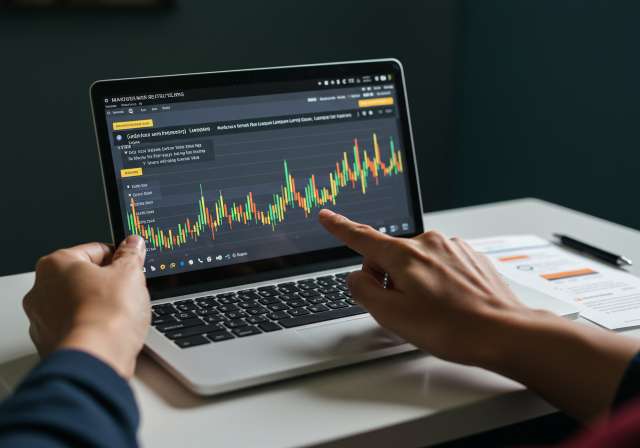
Intraday trading is not for everyone. It requires a significant time commitment, discipline, and a strong understanding of the market. Before venturing into intraday trading, consider the following:
- Risk Tolerance: Are you comfortable with the high level of risk involved in intraday trading? Can you handle potential losses without significant emotional distress?
- Time Commitment: Do you have the time to dedicate to monitoring the market, analyzing charts, and executing trades throughout the day?
- Knowledge and Skills: Do you have a solid understanding of technical analysis, trading strategies, and risk management techniques?
- Capital: Do you have sufficient capital to trade without jeopardizing your financial stability?
If you are new to the stock market, it’s generally recommended to start with long-term investing strategies like investing in mutual funds, SIPs, ELSS, PPF, or NPS before venturing into the high-risk world of intraday trading. These investment options offer diversification and potentially higher returns with managed risk, suitable for building long-term wealth in the equity markets.
Final Thoughts
Intraday trading can be a potentially rewarding but also a highly risky endeavor. Thorough preparation, a well-defined strategy, and disciplined risk management are essential for success. Remember to start small, learn continuously, and always prioritize protecting your capital.
Demystifying intraday trading: Learn the basics, strategies, risks, and rewards of this fast-paced trading style in the Indian stock market. Navigate NSE & BSE with expert insights.
Decoding Intraday Trading: A Beginner’s Guide for Indian Investors
What is Intraday Trading? A Quick Overview
Intraday trading, also known as day trading, involves buying and selling financial instruments – primarily stocks – within the same trading day. The goal is to profit from small price movements that occur throughout the day. Unlike traditional investing where you hold assets for the long term, intraday traders close all their positions before the market closes, typically around 3:30 PM on the NSE (National Stock Exchange) and BSE (Bombay Stock Exchange). Essentially, you’re not holding any stocks overnight.
The Indian stock market, with its high volatility and diverse range of stocks, presents both opportunities and risks for intraday traders. It’s crucial to understand the dynamics of the market and have a well-defined strategy before venturing into this type of trading.
Key Differences: Intraday Trading vs. Delivery Trading
It’s important to distinguish between intraday trading and delivery trading. Here’s a table highlighting the key differences:
| Feature | Intraday Trading | Delivery Trading |
|---|---|---|
| Holding Period | Positions closed within the same trading day | Positions held for days, weeks, months, or even years |
| Profit Source | Short-term price fluctuations | Long-term price appreciation and dividends |
| Risk Level | Generally higher due to leverage and short holding periods | Generally lower, depending on investment strategy and stock selection |
| Capital Requirement | Relatively lower, as brokers provide margin or leverage | Higher, as full payment for stocks is required |
| Trading Style | Active and requires constant monitoring | Passive or active, depending on investment strategy |
Essential Tools and Resources for Intraday Traders
Successful intraday trading relies on having the right tools and resources at your disposal. Here are some essentials:
- Trading Platform: Choose a reliable and user-friendly trading platform offered by a reputable broker. Ensure it provides real-time market data, charting tools, and order execution capabilities. Popular platforms in India include those offered by Zerodha, Upstox, and Angel One.
- Real-Time Market Data: Access to real-time market data is critical. This includes live stock prices, order book information (bid and ask prices), and trade volume. Many brokers provide this data as part of their trading platform or as an add-on subscription.
- Charting Software: Charting software helps you analyze price patterns and identify potential trading opportunities. Look for software that offers a variety of technical indicators, drawing tools, and customizable chart settings. TradingView is a popular choice among Indian traders.
- Economic Calendar: Stay informed about upcoming economic events and news releases that could impact the market. Economic calendars provide dates and times of key events, such as GDP releases, inflation reports, and interest rate decisions by the Reserve Bank of India (RBI).
- News and Research: Keep abreast of the latest financial news and market research. Follow reputable financial news websites, analysts, and research firms to gain insights into market trends and individual stock performance. Platforms like Moneycontrol and Economic Times are good sources of information for Indian markets.
Popular Intraday Trading Strategies
Developing a well-defined trading strategy is crucial for success. Here are some popular intraday trading strategies:
- Scalping: This strategy involves making numerous small trades throughout the day, aiming to profit from tiny price movements. Scalpers typically hold positions for only a few seconds or minutes.
- Momentum Trading: This strategy focuses on trading stocks that are exhibiting strong upward or downward momentum. Traders look for stocks that are breaking out of trading ranges or showing signs of increased buying or selling pressure.
- Breakout Trading: This strategy involves identifying stocks that are breaking out of key support or resistance levels. Traders buy stocks that are breaking above resistance and sell stocks that are breaking below support.
- Reversal Trading: This strategy aims to profit from price reversals. Traders look for stocks that are showing signs of exhaustion after a period of trending in one direction. They then enter trades in the opposite direction, anticipating a price reversal.
- Gap Trading: This strategy involves trading stocks that have gapped up or down at the open. Traders look for stocks that have gapped significantly higher or lower than the previous day’s close and then enter trades based on the expected direction of the gap fill or continuation.
Risk Management: A Cornerstone of Intraday Trading
Risk management is paramount in intraday trading. Due to the high leverage and short holding periods, losses can accumulate quickly if not managed properly. Here are some essential risk management techniques:
- Stop-Loss Orders: Always use stop-loss orders to limit your potential losses on each trade. A stop-loss order automatically closes your position if the price reaches a predetermined level.
- Position Sizing: Determine the appropriate position size for each trade based on your risk tolerance and account size. Avoid risking too much capital on any single trade. A common rule of thumb is to risk no more than 1-2% of your trading capital per trade.
- Leverage Management: While leverage can amplify your profits, it can also magnify your losses. Use leverage judiciously and understand the risks involved. Be aware of the margin requirements set by your broker and ensure you have sufficient funds in your account to cover potential losses.
- Trading Plan: Develop a detailed trading plan that outlines your trading strategy, risk management rules, and entry and exit criteria. Stick to your plan and avoid making impulsive decisions based on emotions.
- Discipline: Discipline is crucial for successful intraday trading. Stick to your trading plan, follow your risk management rules, and avoid chasing profits or revenge trading.
The Role of Technical Analysis
Technical analysis plays a significant role in intraday trading. It involves analyzing price charts and using technical indicators to identify potential trading opportunities. Some commonly used technical indicators include:
- Moving Averages: Moving averages smooth out price data and help identify trends. Traders often use moving averages to identify support and resistance levels, as well as potential entry and exit points.
- Relative Strength Index (RSI): The RSI is a momentum oscillator that measures the magnitude of recent price changes to evaluate overbought or oversold conditions in the price of a stock or other asset.
- Moving Average Convergence Divergence (MACD): The MACD is a trend-following momentum indicator that shows the relationship between two moving averages of a security’s price.
- Bollinger Bands: Bollinger Bands are volatility indicators that measure the standard deviation of price around a moving average. They can be used to identify potential overbought or oversold conditions and to assess the volatility of a stock.
- Fibonacci Retracements: Fibonacci retracements are a series of horizontal lines that indicate potential support and resistance levels based on Fibonacci ratios.
Tax Implications of Intraday Trading in India
Profits earned from intraday trading are generally treated as speculative business income in India and are subject to income tax according to your applicable tax slab. Losses can be set off against other speculative business income. Maintaining accurate records of your trades is crucial for tax filing purposes. Consult a tax professional for personalized advice regarding your specific tax situation.
Choosing a Broker for Intraday Trading in India
Selecting the right broker is a crucial decision for intraday traders. Consider the following factors when choosing a broker:
- Brokerage Fees: Compare brokerage fees across different brokers. Some brokers offer fixed brokerage plans, while others charge a percentage of the trade value. Look for a broker with competitive brokerage fees that align with your trading volume.
- Trading Platform: Ensure the broker offers a user-friendly and reliable trading platform with real-time market data, charting tools, and order execution capabilities.
- Margin/Leverage: Check the margin or leverage offered by the broker. Leverage can amplify your profits, but it can also increase your losses. Use leverage judiciously and understand the risks involved.
- Customer Support: Choose a broker that offers responsive and helpful customer support. You may need assistance with technical issues, order execution, or account-related matters.
- Regulatory Compliance: Ensure the broker is registered with SEBI (Securities and Exchange Board of India) and complies with all applicable regulations. This will protect your investments and ensure a fair trading environment.